The short version
Dholera's infrastructure, ranked by progress and consequence, is led by the 109 km Ahmedabad to Dholera Expressway (open since March 2026), then the airport (targeted late 2026), the CCEA-cleared semi-high-speed rail (targeted 2030 to 2031), the operational ABCD command centre, and the Activation Area trunk utilities and 50 MLD water plant with a 72 km road grid. Every figure is labelled durable, reported or target.
Infrastructure is the real Dholera story, because a smart city is only as credible as the pipes, roads and power it puts in the ground. This page ranks the infrastructure projects in Dholera by how far along and how consequential they are, led by the expressway that is already open. Each entry is labelled durable, reported or target, so you can see exactly what exists today versus what is still coming.
The infrastructure projects that define Dholera
Ahmedabad to Dholera Expressway
The 109 km four-lane access-controlled greenfield expressway, built by NHAI and designed for 120 km/h, was reported inaugurated on 31 March 2026 and is operational. Reported travel time has fallen to roughly 40 minutes to an hour, with sources varying. [Reported, Mar 2026]
It is the most consequential piece of built infrastructure so far, because it turned Dholera from a two-hour expedition into a short drive from Ahmedabad.
Dholera International Airport
A 3,200 m Code 4E single-runway airport about 20 km from the SIR, built under the DIACL SPV, reported roughly 80 percent complete in mid 2026 with operations targeted for late 2026. [Target, Jul 2026]
The airport is the highest-profile pending project, and no firm opening date has ever held, so treat any date as a target.
Ahmedabad to Dholera semi-high-speed rail
An approximately 134 km double-line semi-high-speed rail was cleared by the CCEA around 13 May 2026 at a reported cost near Rs 20,667 cr, targeted for 2030 to 2031. [Reported, May 2026]
It would give Dholera its own direct rail link to Ahmedabad, closing the last major connectivity gap.
The ABCD building and ICCC
The Administrative cum Business Centre for Dholera in the TP2 Knowledge and IT zone houses the Integrated Command and Control Centre, the city's digital brain for utilities, traffic and safety, with a LEED Gold design and reported operational. [Reported]
It is the physical proof of the smart-city layer, monitoring the Activation Area in real time.
Activation Area trunk utilities
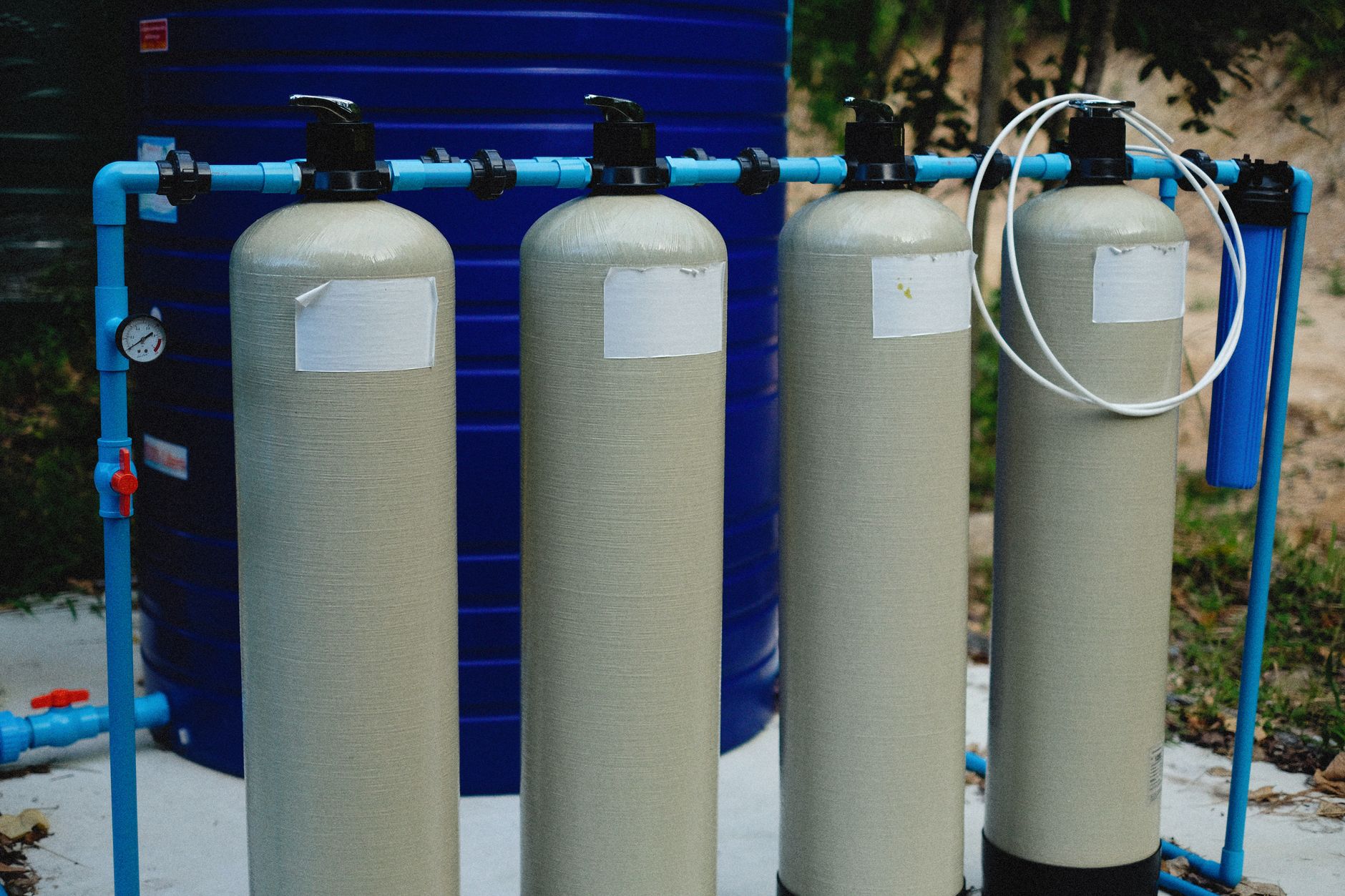
Underground power, ICT and fibre ducts, piped natural gas, potable water with smart meters, a recycled-water network and stormwater into a 6.5 km canal, all laid before above-ground construction. [Reported, DICDL 2024]
This plug-and-play model, infrastructure first, is the genuinely distinctive engineering choice at Dholera.
The 50 MLD water treatment plant and 72 km road grid
A water treatment plant of about 50 MLD with reservoirs, plus roughly 72 km of internal roads from 18 to 70 m wide with pedestrian and cycle lanes and a reserved rapid-transit corridor. [Reported, DICDL 2024]
These are the unglamorous but essential systems that make the Activation Area actually habitable.
How connectivity is changing the map
Connectivity is the reason Dholera moved from a slideshow to a place you can drive to. The 109 km Ahmedabad to Dholera Expressway, a four-lane access-controlled greenfield road built by NHAI and designed for 120 km/h, was reported inaugurated by the Prime Minister on 31 March 2026 and is operational. Reported travel time between Ahmedabad and Dholera has fallen from roughly two hours to somewhere between about 40 minutes and an hour, with sources varying, so treat the exact figure as reported rather than fixed. The Dholera International Airport, with a 3,200 m Code 4E runway about 20 km from the SIR and around 80 km from Ahmedabad, was reported roughly 80 percent complete in mid 2026 with operations targeted for late 2026. No firm opening date has ever held, so we present it as a target, not an achieved fact. An Ahmedabad to Dholera semi-high-speed rail line of about 134 km was cleared by the CCEA around 13 May 2026 at a reported cost near Rs 20,667 cr, targeted for 2030 to 2031. Sources: fact pack drawing on NHAI, DIACL, CCEA and PIB.
What the smart-city infrastructure actually includes
The Activation Area is where Dholera's smart-city claims become concrete. Per a DICDL official account from 2024, the built infrastructure includes underground utilities for power, ICT and fibre ducts, piped natural gas and potable water with smart meters and leak detection, a recycled-water network, wastewater and effluent lines, and stormwater routed into a 6.5 km man-made canal. There is a water treatment plant of about 50 MLD with reservoirs, and roughly 72 km of internal roads from 18 to 70 m wide with pedestrian and cycle lanes and a reserved rapid-transit corridor. The ABCD building, the Administrative cum Business Centre for Dholera in the TP2 Knowledge and IT Zone, houses the Integrated Command and Control Centre, the ICCC, which is the city's digital brain for water, power, lighting, surveillance, traffic and environment, and is reported operational with a LEED Gold design. Some promoted features, such as a common walkable utility tunnel and district cooling, are not officially confirmed, so we label them planned rather than built. The plug-and-play model, laying trunk utilities before above-ground construction, is the genuinely distinctive part. Source: fact pack smart-city utilities section, DICDL 2024.
The dated milestones that show momentum
Momentum is easiest to judge from dated, sourced wins rather than adjectives. The Gujarat SIR Act was enacted in 2009, the legal foundation. DICDL, the build SPV with dual-government ownership, was formed on 28 January 2016. The Union Cabinet approved the Tata to PSMC fab at Rs 91,000 cr on 29 February 2024 under the India Semiconductor Mission. In August 2024 the Cabinet approved 12 new industrial cities under the National Industrial Corridor programme, reaffirming Dholera as the flagship node. The Fiscal Support Agreement for the fab was signed on 5 March 2025. The Ahmedabad to Dholera Expressway was reported inaugurated on 31 March 2026. The CCEA cleared the semi-high-speed rail around 13 May 2026, and the Tata to ASML lithography MoU was reported around 17 May 2026. By mid 2026 the airport was reported roughly 80 percent complete with operations targeted for late 2026, fab civil work around 50 percent, and about 300 MW of solar commissioned. Each of these is real and dated, and together they answer the "nothing is happening" claim. Source: fact pack momentum and milestones notes, PIB.
Dholera infrastructure at a glance
| Project | Type | Status (Jul 2026) |
|---|---|---|
| Ahmedabad to Dholera Expressway | Road, 109 km | Reported open, Mar 2026 |
| Dholera International Airport | Airport, 3,200 m runway | ~80% complete, targeted late 2026 |
| Ahmedabad to Dholera semi-high-speed rail | Rail, ~134 km | CCEA-cleared, targeted 2030 to 2031 |
| ABCD building and ICCC | Civic and command centre | Reported operational |
| Activation Area trunk utilities | Underground utilities | Reported built, DICDL 2024 |
| Water treatment plant | ~50 MLD plus reservoirs | Reported built |
Who runs Dholera and why the structure matters
Three bodies matter. DSIRDA, the Dholera Special Investment Region Development Authority, is the statutory planning and land authority. DICDL, Dholera Industrial City Development Ltd, is the special purpose vehicle that actually builds the city, formed on 28 January 2016 and owned 51 percent by Gujarat through DSIRDA and 49 percent by the Centre through the NICDC Trust. NICDC, the National Industrial Corridor Development Corporation, formerly DMICDC, is the central nodal agency, and it markets Dholera as India's First Semicon City. Around them sit the Gujarat industrial ecosystem: GIDB for infrastructure, iNDEXTb for investor facilitation, GIDC for industrial estates, and the Industries Commissionerate for policy. This governance stack is not trivia. The 51-49 ownership is precisely why Dholera has survived collapsed deals, litigation and missed deadlines that would have killed a purely private project, because both a determined state government and the central government have their credibility tied to it. When you assess any Dholera claim, the first useful question is which of these bodies is the primary source. Sources: dholera.gujarat.gov.in, nicdc.in, gidb.gujarat.gov.in.
What is Dholera SIR, in one honest paragraph
Dholera SIR is the Dholera Special Investment Region, a greenfield industrial smart city taking shape in Ahmedabad district, Gujarat, about 100 km south-west of Ahmedabad. It is built under the Gujarat Special Investment Region Act of 2009 and is the flagship node of the Delhi Mumbai Industrial Corridor. The planning envelope is roughly 920 sq km, of which about 580 sq km is developable and around 422 sq km is set for urban development, phased across roughly three decades. The first live piece is the Activation Area of about 22.5 sq km inside Town Planning Scheme 2, the plug-and-play demonstration zone where trunk infrastructure was laid before anything went up above ground. Planning sits with DSIRDA, the statutory land and planning authority. The city itself is built by DICDL, a special purpose vehicle formed on 28 January 2016 and owned 51 percent by Gujarat and 49 percent by the Centre through the NICDC Trust. That dual-government structure is the single most important thing to understand about Dholera, because it is why the project keeps moving even when individual timelines slip. Sources: DSIRDA and DICDL (dholera.gujarat.gov.in), NICDC (nicdc.in).
Where Dholera is heading
The plan is a phased build toward a large industrial smart city, with a promotional target of around one million residents over roughly 30 years, anchored by semiconductors, solar and manufacturing. The phasing is usually described as three phases: an Activation Area first, then the airport and industry, then the full 920 sq km. End-year targets are stated inconsistently as 2040 or 2042, so treat any single completion year as a reported target rather than a fixed date. The old 2020 target of roughly 80,000 jobs and 1.2 lakh residents lapsed, which is a useful reminder that timelines here slip even as the direction holds. What makes the trajectory credible now is that the anchors are real: a Rs 91,000 cr fab under construction, about 300 MW of operational solar, an open expressway, a cleared rail line and trunk infrastructure already in the ground in the Activation Area. The responsible way to invest against that future is to buy verified in-SIR RERA plots with clear title and treat appreciation as an expectation, not a promise. Source: fact pack master plan, economy and myth notes.
Frequently asked questions
Is the Ahmedabad to Dholera expressway open?
Yes. The 109 km four-lane access-controlled expressway was reported inaugurated on 31 March 2026 and is operational. Reported travel time between Ahmedabad and Dholera has fallen to roughly 40 minutes to an hour, with sources varying.
Is the Dholera airport ready?
Dholera International Airport, with a 3,200 m Code 4E runway about 20 km from the SIR, was reported roughly 80 percent complete in mid 2026, with operations targeted for late 2026. No firm opening date has ever held, so treat any date as a target rather than an achieved fact.
Which railway station is closest to Dholera?
Today the nearest functioning railheads are in the wider Ahmedabad and Dhandhuka region. A dedicated Ahmedabad to Dholera semi-high-speed rail line of about 134 km was cleared by the CCEA around 13 May 2026, targeted for 2030 to 2031, which will give Dholera its own direct link.
What is the future of Dholera smart city?
The plan is a phased build over roughly 30 years toward a large industrial smart city with a promotional target near one million residents, anchored by semiconductors, solar and manufacturing. Completion years are stated as 2040 or 2042 inconsistently, so treat any single year as a reported target.
Who owns and runs Dholera city?
Planning sits with DSIRDA, the statutory authority. The city is built by DICDL, a special purpose vehicle formed on 28 January 2016 and owned 51 percent by Gujarat through DSIRDA and 49 percent by the Centre through the NICDC Trust. NICDC is the central nodal agency.
Sources
- NHAI, Ahmedabad to Dholera Expressway; DIACL, Dholera International Airport Company Ltd
- DSIRDA and DICDL, official Dholera portal, dholera.gujarat.gov.in
- Central Electricity Authority (CEA), quarterly solar parks report, September 2025
Every Dholera figure above is labelled durable, reported with a date, or target, and traces to the named sources. Ratings are point-in-time Google figures. We do not sell plots or take payment to change a ranking.
Last verified: July 2026Get the 2026 Dholera Rankings Report
The verified builders, the projects to watch and the areas moving fastest, in one free PDF. We never sell plots and never take payment to change a rank. Unsubscribe anytime.